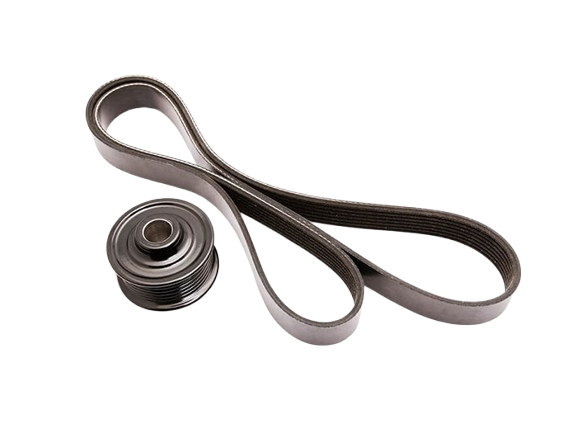
If you drive a Ford Ranger or Ford Everest with the YNWS 2.0L Bi-Turbo diesel engine, you might’ve heard that it uses something called a wet timing belt. It’s a newer setup, different from the older belts and chains, and while it does have a few perks, it’s also caused some real trouble for owners.
Let’s go over what this belt does, how long it’s meant to last, and the signs that something might be going wrong under the bonnet.
What the Wet Timing Belt Does in the YNWS Engine
A wet timing belt is placed inside the engine and runs through oil. That’s why it’s called a “wet” belt. The oil helps things run smoother and quieter. But since it’s sitting right in the middle of hot oil and moving parts, it’s under a lot of stress.
This belt keeps the timing right between your engine parts and also drives the oil pump. So if the belt fails, things can go bad fast.
Ford’s Recommended Timing vs What Drivers Are Seeing
Ford says this belt should be replaced at 240,000 km or after 10 years. That sounds good on paper, but out in the real world, a lot of people are seeing problems well before that mark.
The Problems That Keep Popping Up Early
Plenty of mechanics and workshops have seen these belts wearing out earlier than expected, sometimes as soon as 100,000 to 150,000 km.
Here are a few common signs that trouble might be on the way:
- Oil that’s not quite right or too old can break down the belt material
- Bits of rubber or fibres in the oil filter usually mean the belt is starting to wear out
- A slipping belt can mess with oil pressure
- In some cases, the belt breaks suddenly and wrecks the engine
This tends to happen more in vehicles that:
- Use the wrong type of oil
- Go too long between oil changes
- Are driven under heavy loads or rough conditions a lot
What You Can Do to Keep It Running Smooth
To avoid any belt issues in your Ford Ranger or Everest:
- Change your oil more often — every 10,000 to 15,000 km is safer
- Always use the oil type recommended by Ford (fully synthetic, low SAPS)
- Ask your mechanic to check for belt debris when they replace the oil filter
- Think about getting the belt replaced early, around 150,000 to 180,000 km or after 7 to 8 years
- If you notice low oil pressure or weird noises, get it looked at straight away by someone who knows this engine setup
Final Thoughts/ Why It’s Worth Getting Ahead of the Damage
The wet belt in the YNWS engine is a newer design and needs careful attention. Sticking to the official schedule might work for some, but going a bit earlier with servicing or replacement could save you from major engine damage.
If your vehicle is close to 150,000 km or you’re unsure about the belt’s condition, it’s a good idea to get it checked. Catching a problem early can make a big difference in repair costs.
Need Help or Want to Book a Wet Belt Check
Car Servicing and You can inspect or replace your wet belt and help you avoid unexpected engine problems. Get in touch to make a booking.